
How Long Does Medicare Pay for Nursing Home Care in Dallas?

How Long Does Medicare Pay for Nursing Home Care in Dallas, Texas? Planning nursing home care for yourself or a loved one can feel overwhelming—especially when it comes to understanding how long Medicare pays for nursing home care. For seniors and families in Dallas, Texas, knowing Medicare’s rules, limits, and alternatives can help you avoid unexpected costs and make confident care decisions. In this guide, we’ll clearly explain Medicare nursing home coverage in Dallas, how long benefits last, what Medicare does not cover, and what options are available when coverage ends. Understanding Medicare Coverage for Nursing Home Care Many people assume Medicare covers long-term nursing home care—but that’s not entirely true. Understanding what Medicare covers (and what it doesn’t) is critical for Dallas seniors and caregivers. What Medicare Covers Medicare helps pay for short-term skilled nursing facility (SNF) care, not long-term custodial care. Coverage typically includes: Skilled nursing services Physical, occupational, or speech therapy Medical monitoring and rehabilitation Medications and medical supplies related to treatment Nursing Home vs. Skilled Nursing Facility (SNF) A nursing home may offer both custodial and skilled care, but Medicare only pays for skilled nursing facility care under specific conditions. Custodial care—such as help with bathing, dressing, or eating—is not covered by Medicare. Why This Matters for Dallas Seniors Nursing home costs in Dallas can be high, so understanding Medicare’s limits helps families plan ahead and explore alternatives like Medicaid or long-term care insurance. Keywords used: Medicare nursing home coverage, skilled nursing facility Medicare How Long Does Medicare Pay for Nursing Home Care? This is the most common and important question families ask. Medicare’s 100-Day Nursing Home Rule Medicare Part A covers up to 100 days of skilled nursing facility care per benefit period, as long as eligibility requirements are met. Coverage Breakdown Days 1–20: Medicare pays 100% of approved costs. Days 21–100: Medicare pays most costs, but the patient is responsible for a daily copayment. After Day 100: Medicare stops paying completely. Once coverage ends, all nursing home costs become out-of-pocket unless another program steps in. Keywords used: how long does Medicare pay for nursing home care, Medicare 100 day rule Medicare Requirements to Qualify for Nursing Home Coverage To receive Medicare nursing home coverage in Dallas, several strict rules must be met. 1. Three-Day Hospital Stay Rule You must have a minimum 3-day inpatient hospital stay before entering a skilled nursing facility. Observation stays do not count. 2. Doctor Certification A doctor must certify that you need daily skilled care, such as rehabilitation or medical treatment. 3. Skilled Care Necessity Medicare only covers care that requires licensed medical professionals—not custodial care. 4. Medicare-Approved Facility in Dallas The nursing home or SNF must be Medicare-approved. Many facilities in Dallas County and the DFW area meet this requirement, but verification is essential. Keywords used: Medicare SNF requirements, Medicare nursing home eligibility What Medicare Does NOT Cover in Nursing Homes Understanding exclusions can help prevent financial surprises. Medicare does not cover: Long-term custodial care. Assisted living facilities. Help with daily activities only (bathing, eating, dressing). Non-medical personal care. Permanent nursing home residence. If your loved one needs ongoing assistance rather than medical treatment, Medicare coverage will not apply. Keywords used: Does Medicare cover long-term nursing home care Nursing Home Costs in Dallas, Texas (What to Expect) Nursing home care in Dallas can be expensive, especially once Medicare coverage ends. Average Nursing Home Costs in Dallas Daily cost: Several hundred dollars per day Monthly cost: Often thousands of dollars per month Costs vary based on: Private vs semi-private rooms Level of care required Facility location and amenities Out-of-Pocket Costs After Medicare Once Medicare stops paying, families may need to rely on: Personal savings Family contributions Medicaid Long-term care insurance Keywords used: nursing home costs in Dallas Texas, Dallas nursing home expenses Medicare vs Medicaid for Nursing Home Care in Dallas Understanding the difference between these two programs is crucial. Medicare Short-term skilled nursing care only Maximum of 100 days No coverage for long-term custodial care Medicaid (Texas Medicaid) Covers long-term nursing home care Income and asset limits apply Often becomes necessary after Medicare coverage ends Medicaid Eligibility in Dallas Texas Medicaid has strict financial requirements, but many seniors qualify after proper planning. Keywords used: Medicare vs Medicaid nursing home care, Medicaid nursing home Dallas What Are Your Options When Medicare Coverage Ends? When Medicare stops paying, Dallas families still have options. 1. Medicaid Planning Working with a Medicaid planner or elder law professional can help protect assets and qualify for benefits. 2. Long-Term Care Insurance If purchased earlier in life, long-term care insurance can help cover nursing home costs. 3. Veterans Benefits Eligible veterans may qualify for VA programs that assist with long-term care expenses. 4. Private Pay Solutions Some families use savings, pensions, or home equity to cover care costs. Keywords used: long-term care options Dallas, nursing home payment options How to Choose a Medicare-Approved Nursing Home in Dallas Choosing the right facility is just as important as understanding coverage. Tips for Dallas Families Use Medicare’s Nursing Home Compare tool Review quality ratings and inspection reports Consider proximity to family in Dallas County Tour facilities and ask about staffing and care services Selecting a high-quality, Medicare-approved nursing home can make a big difference in care outcomes. Keywords used: Medicare-approved nursing homes Dallas, best nursing homes in Dallas Frequently Asked Questions (FAQ) Does Medicare pay for nursing home care forever? No. Medicare only pays for up to 100 days of skilled nursing care per benefit period. Can Medicare restart the 100-day benefit? Yes, but only after a new benefit period begins, which requires a break in inpatient or SNF care. Does Medicare cover rehab in nursing homes? Yes, if rehab is medically necessary and provided in a Medicare-approved skilled nursing facility. What if my loved one needs long-term care? Long-term care is usually covered by Medicaid, private insurance, or out-of-pocket payment—not Medicare. Keywords used: Medicare nursing home FAQ, Medicare nursing home questions Final Thoughts Understanding how long
How Many Nursing Home Facilities Are in Dallas, Texas?

How Many Nursing Home Facilities Are in Dallas, Texas? As Dallas continues to grow, so does the demand for quality senior and long-term care services. Families, caregivers, and healthcare decision-makers often ask one important question: how many nursing home facilities are in Dallas, Texas? Understanding the availability, types, and costs of nursing homes can help families make informed decisions for their loved ones. This guide provides a clear overview of nursing home facilities in Dallas, including estimated numbers, care types, statistics, and tips for choosing the right facility. What Is a Nursing Home? A nursing home is a licensed healthcare facility that provides 24/7 medical care, supervision, and assistance for seniors and individuals with serious health conditions. These facilities are designed for people who can no longer live independently and need ongoing medical support. Services typically include: Skilled nursing care Medication management Assistance with daily activities (bathing, dressing, eating) Physical, occupational, and speech therapy Long-term medical supervision Why Dallas Has a Growing Demand for Elderly Care Dallas is one of the fastest-growing metropolitan areas in Texas. With a strong healthcare system and expanding senior population, the need for nursing homes in Dallas Texas continues to rise. Key reasons include: Increasing life expectancy Aging baby boomer population Rise in chronic health conditions Growing demand for post-hospital rehabilitation Aging Population Trends in Dallas Dallas County has seen steady growth in residents aged 65 and older. As this population expands, so does the demand for skilled nursing facilities in Dallas TX and other long-term care options. How Many Nursing Home Facilities Are in Dallas, Texas? Estimated Number of Licensed Nursing Homes Based on publicly available healthcare and regulatory data, there are approximately 90–120 licensed nursing home facilities in Dallas County, with 50–70 facilities located within Dallas city limits. These numbers may vary slightly depending on licensing updates and facility classifications. When people search for the number of nursing homes in Dallas, they are often referring to both city and county-level data. Dallas City vs. Dallas County Dallas City: Concentrated facilities near hospitals and urban neighborhoods Dallas County: Includes suburban areas with additional long-term care facilities This distinction is important when searching for nursing homes near Dallas Texas. Medicare- and Medicaid-Certified Facilities A large percentage of Dallas nursing home facilities are: Medicare-certified Medicaid-approved Regulated by Texas Health and Human Services These certifications ensure compliance with federal and state care standards. Private vs. Government-Supported Nursing Homes Dallas offers a mix of: Privately owned nursing homes Non-profit facilities Medicaid-supported long-term care centers Most nursing homes operate privately but accept Medicare and Medicaid. Types of Nursing Home Facilities Available in Dallas Skilled Nursing Facilities (SNFs) Skilled nursing facilities in Dallas TX provide short-term medical care, often after hospitalization. Services include: Wound care IV therapy Post-surgery rehabilitation Physical and occupational therapy Long-Term Care Nursing Homes These facilities support seniors who require ongoing medical supervision for chronic illnesses or disabilities. Memory Care & Dementia Nursing Homes Designed for patients with: Alzheimer’s disease Dementia Cognitive impairments These elderly care facilities in Dallas provide secure environments and specialized staff. Rehabilitation Nursing Facilities Focused on recovery and mobility improvement after: Stroke Surgery Injury Nursing Home Statistics in Dallas, Texas Number of Beds Available Dallas-area nursing homes collectively offer thousands of licensed beds, with facility sizes ranging from small centers to large medical campuses. Average Occupancy Rates Occupancy rates typically range between 70% and 85% Higher occupancy is common near major hospitals Public vs. Private Facility Ratio Majority are privately operated Many accept public insurance programs Average Cost of Nursing Homes in Dallas The average cost of nursing home care in Dallas is approximately: $6,500–$7,500 per month for a semi-private room Private rooms cost more Costs depend on care level, location, and facility quality. Who Needs a Nursing Home Facility in Dallas? Nursing homes are suitable for individuals who need medical care beyond assisted living. Common Residents Include: Seniors with chronic illnesses Individuals requiring 24/7 nursing care Post-surgery rehabilitation patients Alzheimer’s and dementia patients Those needing long-term medical supervision If daily medical oversight is required, long-term care facilities in Dallas may be the best option. How to Choose the Right Nursing Home in Dallas Location & Accessibility Choose facilities close to: Family members Hospitals Emergency services Staff-to-Resident Ratio Higher staffing levels often mean: Better personal attention Improved care quality Medicare Ratings & Reviews Use Medicare Nursing Home Compare to review: Health inspections Staffing levels Quality measures This is essential when evaluating Medicare-certified nursing homes Dallas. Cost, Insurance & Medicaid Acceptance Confirm: Medicare or Medicaid acceptance Private insurance coverage Payment plans and long-term costs Alternatives to Nursing Homes in Dallas Not every senior needs full-time nursing care. Dallas offers several alternatives. Assisted Living Facilities Help with daily activities Less medical supervision Home Health Care Services In-home nursing visits Personal care assistance Independent Senior Living Community-based housing Minimal medical care Adult Day Care Centers Daytime supervision Social engagement These senior care options in Dallas TX may be more suitable depending on health needs. Frequently Asked Questions (FAQ) How many nursing homes are in Dallas Texas? There are approximately 50–70 nursing homes in Dallas city and 90–120 in Dallas County, depending on licensing updates. Are all Dallas nursing homes Medicare-certified? No. While many are Medicare-certified, not all facilities participate. Always check certification status before choosing. What is the average cost of a nursing home in Dallas? The average monthly cost ranges from $6,500 to $7,500, depending on room type and care level. How do I check nursing home ratings in Dallas? You can review ratings through Medicare’s Nursing Home Compare tool, which provides inspection and quality scores. What’s the difference between assisted living and nursing homes? Assisted living offers help with daily tasks, while nursing homes provide 24/7 medical care and skilled nursing services. Conclusion So, how many nursing home facilities are in Dallas, Texas? The answer depends on whether you’re looking within city limits or across Dallas County—but families have dozens of quality options to choose from. With a wide range of Dallas nursing
What Type of Life Insurance is Best in Bangladesh?

Life is full of uncertainties. While we cannot predict the future, we can plan for it. One of the most effective ways to ensure financial security for yourself and your loved ones is through life insurance In Bangladesh, life insurance has gained popularity among individuals, families, and professionals seeking to protect their future. But with multiple types of policies available, the question arises: What type of life insurance is best in Bangladesh? In this guide, we’ll explore the different types of life insurance, their benefits, and tips to choose the right plan that aligns with your financial goals and family needs. Why Life Insurance is Important Life insurance is more than just a policy; it’s a safety net for your family and financial future. Here are key reasons why having life insurance in Bangladesh is essential: Protecting Your Family Financially If the primary breadwinner passes away unexpectedly, life insurance ensures that the family continues to have financial support. The payout from a life insurance policy can cover day-to-day expenses, household costs, and lifestyle maintenance. Covering Debts and Emergencies Life insurance can also help in paying off debts, mortgages, or any outstanding loans. This prevents your family from facing financial stress during difficult times. Supporting Children’s Education and Future Many parents in Bangladesh consider life insurance as a tool to secure their children’s education. Policies like endowment plans or whole life insurance can provide funds for higher education or marriage, even if the policyholder is no longer around. Providing Peace of Mind Knowing that your loved ones will be financially protected allows you to focus on your career, health, and personal growth without constant worry. Types of Life Insurance Available in Bangladesh Bangladesh offers a variety of life insurance plans, each designed for different financial needs and goals. Choosing the right type of life insurance depends on your priorities, whether it’s affordability, savings, or lifelong protection. Term Life Insurance Definition and How it Works:Term life insurance is a simple, straightforward plan that provides coverage for a fixed period (e.g., 10, 20, or 30 years). If the insured person passes away during the term, the beneficiaries receive the death benefit. Advantages: Affordable premiums compared to other plans High coverage amount for a low cost Simple and easy to understand Disadvantages: No maturity benefit if you outlive the policy term Does not accumulate savings or cash value Term life insurance is ideal for budget-conscious individuals or families who want high protection without high premiums. Whole Life Insurance Definition and How it Works:Whole life insurance provides lifelong coverage as long as premiums are paid. Besides the death benefit, it also builds a cash value, which grows over time and can be borrowed against or withdrawn. Advantages: Lifelong protection for you and your family Cash value accumulation that can serve as an investment Stable and predictable premiums Disadvantages: Higher premiums compared to term life insurance Returns on cash value may be lower than other investment options Whole life insurance is suitable for individuals seeking long-term security and an additional savings component. Endowment Plans Definition and Features:Endowment plans are a hybrid of insurance and savings. They provide a death benefit and a maturity benefit if the policyholder survives the term. Benefits for Long-Term Goals: Helps accumulate wealth over time Provides financial support for milestones like children’s education or marriage Offers both protection and savings in a single policy Endowment plans are perfect for individuals who want disciplined savings along with insurance coverage. Unit-Linked Insurance Plans (ULIP) Definition and How It Works:ULIPs combine investment and insurance. A part of the premium goes towards life coverage, while the rest is invested in equity, debt, or mutual funds. Pros: Potential for higher returns due to investment Flexible investment options based on risk appetite Insurance coverage included Cons: Market-linked risks – returns are not guaranteed Charges and fees can reduce overall gains ULIPs are ideal for individuals who are willing to take investment risks while ensuring life coverage. How to Choose the Best Life Insurance in Bangladesh Selecting the right life insurance policy can be overwhelming. Here are key factors to consider: Assess Your Financial Goals and Family Needs Determine the amount of coverage your family may require in case of emergencies. Consider ongoing expenses, debts, future goals, and retirement planning. Compare Premiums and Benefits Evaluate different policies and their premiums. Sometimes, a slightly higher premium may offer significantly better coverage or additional benefits. Consider Policy Term and Coverage Choose a term length or coverage type that aligns with your life stage and financial objectives. For example, young professionals may prefer term life insurance, while those seeking long-term savings may opt for whole life or endowment plans. Check Insurer Reputation and Claim Settlement Ratio Select an insurance company with a strong market presence, good customer service, and a high claim settlement ratio. In Bangladesh, companies like Golden Life Insurance, MetLife Bangladesh, and Sadharan Bima Corporation are recognized for reliability. Tips for Getting Affordable Life Insurance in Bangladesh Life insurance should be accessible for everyone. Here are some tips to ensure you get coverage without straining your budget: Start Early for Lower Premiums The younger you are when purchasing a policy, the lower the premiums. Starting early also allows more time for savings accumulation in endowment or whole life plans. Choose the Right Policy Type Select a plan that aligns with your financial capacity and goals. Term life insurance is usually the most affordable, while whole life or ULIP policies suit long-term savings strategies. Avoid Over-Insurance Buying more coverage than needed can increase premiums unnecessarily. Calculate your financial needs carefully to choose an appropriate sum assured. Consult an Insurance Advisor Professional guidance can help you understand complex policies, compare benefits, and select the best life insurance plan for your situation. Conclusion Determining what type of life insurance is best in Bangladesh depends on your financial situation, family responsibilities, and long-term goals. There is no universal solution, but here are some recommendations: Term Life Insurance: Best for budget-conscious individuals seeking high protection
Which is the Government Life Insurance Company in Bangladesh?

Life insurance plays a vital role in ensuring financial security for individuals and families. It provides protection against unexpected events such as death, disability, or long-term financial hardship. In a developing country like Bangladesh, where many families depend on a single earning member, life insurance is not just a financial product—it is a safety net. In Bangladesh, the insurance sector includes both government-owned and private life insurance companies. While private insurers offer a variety of modern and customized plans, many people still prefer government-backed insurance due to trust, stability, and long-term reliability. This raises a very common and important question:Which is the government life insurance company in Bangladesh? The clear and official answer is Jiban Bima Corporation (JBC)—the only government-owned life insurance company in the country. This article provides a complete, easy-to-understand guide to Jiban Bima Corporation, its history, policies, importance, and how Bangladeshi citizens can benefit from it. Government Life Insurance Company in Bangladesh ✅ Jiban Bima Corporation (JBC) Jiban Bima Corporation (JBC) is the only government life insurance company in Bangladesh. It is fully owned by the Government of the People’s Republic of Bangladesh and operates under direct state supervision. JBC was established in 1973 under the Insurance Corporation Act, following the independence of Bangladesh. Since its inception, it has played a crucial role in developing the life insurance sector and making insurance accessible to people from all economic backgrounds. The corporation operates under the Ministry of Finance, which ensures transparency, accountability, and regulatory compliance. Because it is government-backed, many policyholders feel confident that their investments and benefits are secure for the long term. History and Background of Jiban Bima Corporation After Bangladesh gained independence in 1971, the government nationalized the insurance industry to rebuild and stabilize the economy. As part of this initiative, Jiban Bima Corporation was created in 1973 to manage all life insurance operations under government control. For many years, JBC was the sole provider of life insurance in Bangladesh. Later, the government allowed private insurance companies to enter the market to promote competition and innovation. However, JBC has remained the only state-owned life insurer, maintaining a strong presence nationwide. Over the decades, JBC has expanded its operations, opened branches across urban and rural areas, and introduced various insurance products tailored to the needs of Bangladeshi citizens. Its mission has always focused on social security, financial inclusion, and public welfare, rather than profit alone. Types of Life Insurance Policies Offered by Jiban Bima Corporation Jiban Bima Corporation offers a wide range of traditional and need-based life insurance policies designed to suit different age groups, income levels, and financial goals. 1. Whole Life Assurance Policy This policy provides lifetime coverage to the insured person. The sum assured is paid to the nominee upon the death of the policyholder, regardless of when it occurs. Some policies also include bonus benefits. Best for: Long-term financial security and family protection. 2. Endowment Assurance Policy Endowment policies offer both insurance protection and savings benefits. If the policyholder survives the policy term, they receive the maturity amount along with bonuses. If death occurs during the term, the nominee receives the assured amount. Best for: Savings with insurance, future financial planning. 3. Pension and Retirement Schemes These policies help individuals build a regular income after retirement. Policyholders pay premiums during their working years and receive pension benefits later. Best for: Government employees, professionals, and self-employed individuals planning retirement. 4. Child Protection and Education Plans These policies are designed to secure a child’s future education and financial needs. Even if the policyholder passes away, the child continues to receive benefits. Best for: Parents planning for children’s education and marriage. 5. Group Life Insurance Policies JBC offers group insurance for organizations, government offices, and private institutions. These policies provide life coverage to employees under a single contract. Best for: Employers and institutions seeking employee welfare benefits. 6. Other Popular Schemes JBC also offers special savings-oriented and welfare-based schemes tailored for different social groups, depending on government initiatives and public demand. Why Government Life Insurance Matters in Bangladesh Choosing government life insurance has several advantages, especially for Bangladeshi citizens who value trust and long-term stability. ✔ Government Backing and Trust Jiban Bima Corporation is backed by the Government of Bangladesh, making it one of the most trusted insurance providers in the country. Policyholders feel secure knowing that their insurance is protected by the state. ✔ Affordable Premiums Government insurance policies are often priced reasonably, making them accessible to middle- and lower-income families. ✔ Financial Security for Families Life insurance ensures that families are financially protected if the earning member passes away. This is especially important in Bangladesh, where social security systems are limited. ✔ Nationwide Branch Network JBC has branches and offices across Bangladesh, including many rural and semi-urban areas, ensuring easy access to services. ✔ Social Welfare Orientation Unlike many private insurers, JBC operates with a strong focus on public welfare and long-term social security rather than short-term profits. How to Apply for Jiban Bima Corporation Policies Applying for a life insurance policy from Jiban Bima Corporation is relatively straightforward. Application Process Visit the nearest JBC branch office Consult with an authorized insurance officer or agent Choose a suitable policy based on your needs Submit required documents (NID, photos, age proof, etc.) Complete medical requirements if applicable Premium Payment Methods Premiums can usually be paid through: Designated banks Government-approved payment channels Mobile banking services (subject to policy updates) For the most accurate and updated information, applicants are encouraged to contact official JBC offices directly. Government-Backed Insurance Schemes (Bonus Section) In addition to Jiban Bima Corporation, the government also supports state-sponsored insurance schemes aimed at social protection. One example is the Prime Minister’s Life Insurance initiatives, which are designed to provide financial assistance to specific groups such as low-income citizens or families affected by accidents. It is important to note that these are government programs, not insurance companies, and they operate alongside JBC to strengthen social security. Government vs Private Life Insurance in Bangladesh
8 Types of Healthcare Services You Should Know

8 Types of Healthcare Services and Why They’re Important Healthcare plays a vital role in keeping individuals and communities healthy, productive, and prepared for the future. In today’s fast-paced world, understanding the 8 types of healthcare services can help you make informed decisions about your well-being and know where to turn when you or your loved ones need care. Whether you’re in Ohio State, USA, or anywhere else in the world, these services form the foundation of a strong healthcare system. From preventive care to emergency services, every type has a unique role in improving quality of life. In this guide, we’ll explore what healthcare services are, why they matter, and break down the 8 main types of healthcare services with clear examples. What Are Healthcare Services? Healthcare services refer to organized medical, diagnostic, preventive, and supportive systems designed to protect, maintain, and restore health. They include everything from your local family doctor visit to specialized surgery at a large hospital. Understanding the types of health care services is important because each service addresses a specific aspect of health — prevention, diagnosis, treatment, recovery, and long-term care. In Ohio, for example, access to healthcare services ranges from community clinics in Columbus to world-class medical centers in Cleveland, making it easier for residents to get the care they need. The 8 Types of Healthcare Services Here’s a closer look at the 8 types of healthcare services, their importance, and examples that highlight how they work in real life. 1. Primary Healthcare Services Primary healthcare services are the first point of contact for most people. These include family doctors, community health clinics, and general practitioners. Examples: Annual check-ups, vaccinations, flu treatment, blood pressure management. Importance: They provide continuous, accessible, and comprehensive care, helping to detect health problems early. In Ohio, primary healthcare centers like the OhioHealth Primary Care clinics are a cornerstone for community wellness. 2. Preventive Healthcare Services Preventive health care services focus on keeping people healthy and stopping illnesses before they start. Examples: Vaccinations, cancer screenings, health education, regular wellness checks. Importance: Preventive care lowers long-term healthcare costs and increases life expectancy. For instance, the Ohio Department of Health provides widespread vaccination and screening programs to reduce preventable diseases. 3. Diagnostic Healthcare Services Diagnostic services in healthcare are critical for identifying medical conditions accurately. Examples: Lab tests, X-rays, MRI, CT scans, genetic testing. Importance: Early and precise diagnosis leads to effective treatment and better outcomes. Hospitals like Cleveland Clinic in Ohio are renowned for their advanced diagnostic technologies. 4. Treatment/Curative Healthcare Services Treatment services address illnesses and medical conditions once diagnosed. Examples: Surgeries, prescription medications, hospital stays, chemotherapy. Importance: They aim to cure, control, or manage diseases, restoring health when possible. Curative services remain the backbone of healthcare in Ohio’s leading hospitals, including University Hospitals Cleveland Medical Center. 5. Rehabilitative Healthcare Services Rehabilitative healthcare services help patients regain independence and functionality after injury, surgery, or illness. Examples: Physical therapy, occupational therapy, speech therapy. Importance: These services improve recovery outcomes and quality of life. Ohio offers a wide network of rehabilitation centers that support stroke survivors, accident victims, and patients with mobility challenges. 6. Supportive / Palliative Healthcare Services Supportive healthcare services (also known as palliative care) focus on comfort and quality of life, especially for people with chronic or terminal conditions. Examples: Hospice care, pain management, psychological support. Importance: They provide dignity, emotional support, and symptom relief for patients and families. In Ohio, organizations like Hospice of the Western Reserve provide compassionate end-of-life care. 7. Emergency Healthcare Services Emergency healthcare services save lives during critical situations. Examples: Ambulance services, emergency rooms, urgent care centers. Importance: Immediate intervention can prevent death or permanent disability. Ohio’s ER departments, such as those in Columbus and Dayton, operate 24/7 to respond to medical crises. 8. Specialized Healthcare Services Specialized healthcare services provide advanced treatment for complex medical conditions. Examples: Cardiology (heart), oncology (cancer), dermatology (skin), pediatrics (children’s health). Importance: Specialized care ensures patients with serious or rare conditions get expert treatment. Institutions like Nationwide Children’s Hospital in Columbus highlight Ohio’s excellence in specialized care. Why These Healthcare Services Matter The importance of healthcare services goes beyond treating illnesses. Together, these services: Improve life expectancy. Reduce healthcare costs through prevention. Support recovery and rehabilitation. Provide comfort for chronic and terminal conditions. Strengthen community well-being. In Ohio, access to a full range of healthcare services ensures that residents of all ages can enjoy healthier, more productive lives. Examples of Healthcare Services in Action Here are a few healthcare services examples showing how different types work together: Preventive + Primary: An Ohio resident receives regular screenings at a community clinic, which detects high blood pressure early. Diagnostic + Treatment: A patient undergoes an MRI at Cleveland Clinic, leading to early cancer treatment. Rehabilitative + Supportive: After a car accident, a patient completes physical therapy while receiving pain management. Emergency + Specialized: A heart attack patient is rushed to an ER and then transferred to a cardiology department for advanced care. These real-life scenarios demonstrate how the 8 types of healthcare services connect to protect health at every stage. FAQs About Healthcare Services 1. What are the 8 types of healthcare services? The 8 types include primary, preventive, diagnostic, treatment/curative, rehabilitative, supportive/palliative, emergency, and specialized healthcare services. 2. What is the difference between primary and preventive healthcare services? Primary healthcare is the first point of contact (like a family doctor), while preventive healthcare focuses on avoiding illness (like vaccinations and screenings). 3. Why are preventive health care services important? They reduce long-term healthcare costs, catch diseases early, and improve life expectancy. 4. What are some examples of healthcare services in Ohio? Examples include OhioHealth Primary Care (primary care), Cleveland Clinic (diagnostic and specialized care), and Hospice of the Western Reserve (supportive care). 5. How do rehabilitation services in healthcare help patients? They restore independence, improve mobility, and enhance recovery after surgeries, accidents, or chronic conditions. 6. What is the role of emergency healthcare services? They provide immediate,
10 Key Benefits of Car Insurance Every Driver Should Know

Benefits of Car Insurance: Why Every Driver Needs Protection When you think about driving, you probably picture freedom, convenience, and the joy of hitting the open road. But what about the risks? From unexpected accidents to weather damage, driving comes with uncertainties. That’s where car insurance steps in—not just as a legal requirement but as a financial and emotional safety net. In this blog, we’ll explore the 10 key benefits of car insuranceand explain why it’s so important for drivers in Ohio State, USA, and beyond. By the end, you’ll see why having the right policy is not just smart—it’s essential. What is Car Insurance? At its core, car insurance is a contract between you and an insurance company. You pay a premium, and in return, the insurer provides financial protection in case of accidents, theft, or damage. In most U.S. states, including Ohio, having car insurance is mandatory by law. The minimum coverage usually includes liability insurance, which helps cover damages or injuries you may cause to others in an accident. But car insurance is more than just a requirement—it’s a lifeline when the unexpected happens. Top Benefits of Car Insurance 1. Financial Protection in Accidents Car accidents can be expensive. Between repair costs, replacement of parts, and possible medical bills, the expenses can quickly add up. Car insurance provides financial protection by covering repair and replacement costs. If your vehicle is totaled, your insurance can help replace it. Keyword included: financial protection car insurance 2. Protection Against Property Damage Imagine accidentally backing into someone’s fence or being involved in a crash that damages another person’s vehicle. The repair costs for property damage can be overwhelming. Car insurance includes property damage coverage, ensuring you don’t have to pay these costs entirely out of pocket. Keyword included: property damage coverage 3. Legal Coverage and Liability Benefits If an accident leads to a lawsuit, the expenses can skyrocket. Court costs, attorney fees, and third-party claims can drain your finances. Car insurance offers legal benefits of car insurance, helping cover liability costs and lawsuits. This means you’re protected against potentially devastating legal bills. 4. Medical & Health Benefits of Car Insurance In case of an accident, medical expenses can become overwhelming. From emergency treatments to ongoing hospital bills, the financial burden can be enormous. Car insurance often covers: Emergency medical expenses Hospital stays Rehabilitation costs This makes car insurance a form of health protection as well. Keyword included: health benefits of car insurance 5. Coverage Against Theft & Natural Disasters Cars are valuable assets, and unfortunately, they’re also attractive targets for thieves. Additionally, natural disasters like floods, storms, or fires can destroy your car without warning. With comprehensive coverage, you’re protected from: Theft Fire damage Floods and storms Other unexpected natural disasters 6. Peace of Mind for Drivers Driving is stressful enough without worrying about accidents, theft, or financial loss. With car insurance, you gain peace of mind knowing you’re covered. Whether you’re commuting in Ohio traffic or heading on a weekend trip, you can drive stress-free. Keyword included: peace of mind with car insurance 7. Long-Term Savings & No Claim Bonus (NCB) Insurance isn’t just about protection—it can also reward safe driving. Many insurers offer a No Claim Bonus (NCB), which reduces your premium if you don’t file a claim during the policy term. This means: Safer drivers save money over time. Car insurance becomes a tool for long-term financial benefits. Keyword included: advantages of car insurance Why Car Insurance is Important Many drivers think of car insurance as just another bill. But in reality, it’s one of the smartest financial decisions you can make. It’s legally required in Ohio and most U.S. states. It protects your finances and assets. It ensures you can recover quickly from accidents, theft, or disasters. Keyword included: why car insurance is important How to Choose the Right Car Insurance Policy Not all insurance policies are created equal. When selecting car insurance in Ohio or anywhere in the U.S., keep these tips in mind: Compare Coverage, Not Just Price – Cheaper isn’t always better. Focus on what’s covered. Check for Comprehensive Protection – Ensure it includes liability, collision, medical, and property coverage. Look at Deductibles – A higher deductible can lower your premium but increases out-of-pocket costs. Review Add-Ons – Roadside assistance, rental coverage, and gap insurance may be worth it. Ask About Discounts – Safe driver discounts, multi-policy savings, and NCB can reduce your premium. Conclusion Car insurance is more than just a piece of paper—it’s a shield of protection that guards your finances, health, and peace of mind. From covering accident costs to providing legal protection and long-term savings, the benefits are undeniable. If you’re in Ohio State, USA, take a moment to review your current policy. Ask yourself: Am I fully protected? 👉 Protect your car, your wallet, and your peace of mind—choose the right car insurance today. FAQs About the Benefits of Car Insurance 1. What are the main benefits of car insurance?Car insurance provides financial protection, covers property damage, offers legal benefits, includes health coverage, and gives peace of mind while driving. 2. Why is car insurance important in Ohio?In Ohio, car insurance is legally required. It ensures financial and legal protection in case of accidents, theft, or natural disasters. 3. Does car insurance cover medical expenses after an accident?Yes, many policies include medical coverage for hospital bills, emergency care, and rehabilitation costs. 4. Can car insurance save me money in the long run?Yes. With features like No Claim Bonus (NCB) and discounts for safe driving, responsible drivers can lower premiums over time. 5. Does car insurance cover natural disasters like floods or storms?Yes, comprehensive coverage protects against natural disasters, theft, fire, and vandalism. 6. What happens if I drive without car insurance in Ohio?Driving without insurance in Ohio can lead to fines, license suspension, vehicle impoundment, and legal consequences. 7. How do I choose the best car insurance policy in Ohio?Compare coverage options, check deductibles, look for discounts, and
New York Life Long Term Care: Benefits, Costs & Policies

New York Life Long-Term Care: Comprehensive Guide to Policies & Benefits Planning for the future is essential, especially when it comes to long-term care. With rising healthcare costs and an aging population, securing reliable long-term care insurance has become a priority for seniors and their families. New York Life long term care insurance provides a trusted solution for those seeking financial security, comprehensive coverage, and peace of mind. In this guide, we’ll explore NY Life LTC insurance, its features, benefits, and tips to help Ohio residents make informed decisions. What is New York Life Long-Term Care Insurance? Long-term care insurance (LTC) is designed to cover expenses related to extended care services, including nursing homes, assisted living facilities, home care, and other support services that traditional health insurance does not fully cover. New York Life long term care insurance stands out from other providers because of its long-standing reputation, financial stability, and flexible policy options. NY Life LTC policies are tailored for individuals who want comprehensive coverage, financial protection, and the freedom to choose the care they need. Target audience for NY Life LTC: Seniors aged 50 and above Families planning for future healthcare costs Individuals seeking to protect assets and savings from long-term care expenses Key Features of New York Life Long-Term Care Policies New York Life LTC insurance offers a variety of features that make it a competitive choice for Ohio residents: Coverage options Home care: Assistance for daily activities such as bathing, dressing, and meal preparation in the comfort of your own home. Nursing facility: Skilled nursing care for those who require round-the-clock medical supervision. Assisted living: Support for individuals who need help with routine activities but prefer a more independent setting. Policy riders and add-ons Inflation protection to ensure benefits keep pace with rising costs Shared care options for couples Return-of-premium riders Benefit limits and payout structureNY Life LTC policies provide customizable benefit amounts, durations, and daily or monthly payouts to match individual needs. This flexibility ensures that seniors in Ohio can select coverage that fits their budget and care requirements. Benefits of Choosing New York Life LTC Financial security for seniorsBy covering long-term care costs, NY Life LTC insurance helps seniors avoid depleting their savings or relying solely on family support. Peace of mind for familiesFamilies can feel confident knowing that their loved ones will receive quality care without financial stress. Tax advantagesIn some cases, long-term care insurance premiums may be tax-deductible in Ohio. Additionally, certain benefits may be received tax-free under federal rules. Cost of New York Life Long-Term Care Insurance Average premiumsThe cost of New York Life long term care insurance varies based on age, health, coverage amount, and selected riders. On average, premiums range from $2,000 to $6,000 per year for comprehensive coverage. Factors affecting cost Age at application: Younger applicants generally enjoy lower premiums. Health status: Pre-existing conditions may increase rates or require medical underwriting. Coverage level and duration: Higher benefit limits and longer coverage periods result in higher premiums. Tips to reduce LTC insurance costs Apply at a younger age Choose a shorter benefit period or lower daily payout Opt for a shared-care policy if married Compare NY Life LTC policies with other providers for the best value How to Apply for NY Life Long-Term Care Insurance Eligibility requirements Typically, applicants must be aged 50–80 Good health is often required to qualify for standard premiums Application process step-by-step Contact a licensed NY Life advisor in Ohio Complete the application form with personal and health details Undergo medical underwriting if required Select coverage options, riders, and benefit limits Review and sign your policy Medical underwriting considerationsNY Life evaluates your medical history, current health conditions, and lifestyle to determine eligibility and premiums. Being honest and thorough during the application process ensures smooth approval. Customer Reviews & Satisfaction NY Life long-term care insurance reviews indicate high levels of customer satisfaction. Policyholders often cite: Strong financial stability of New York Life Flexible coverage options Responsive customer service Common pros and consPros: Reliable coverage, customizable policies, strong reputationCons: Premiums can be higher than some competitors, underwriting may be strict for older applicants Comparison with competitorsCompared to other LTC insurance providers in Ohio, New York Life offers superior financial backing, a variety of riders, and excellent customer support, making it a preferred choice for many seniors. Frequently Asked Questions (FAQ) 1. Is NY Life LTC worth it?Yes. For seniors planning long-term care needs, it provides financial security, comprehensive coverage, and peace of mind. 2. Does it cover home care?Absolutely. NY Life LTC insurance covers in-home care services, including personal assistance, nursing, and therapy. 3. Can I cancel or adjust my policy?Yes. Policyholders can make changes or cancel their policy, though refunds depend on the policy type and timing. 4. How do beneficiaries get paid?Benefits are typically paid directly to care providers or reimbursed to policyholders, depending on the chosen policy structure. 5. Are there age limits for application?Most applicants must be between 50 and 80 years old, though specific age limits may vary by policy. 6. Does NY Life LTC insurance offer inflation protection?Yes. Many policies include optional inflation protection to keep benefits in line with rising care costs. 7. Can spouses share benefits?Yes. NY Life offers shared-care options that allow couples to combine benefits if one spouse requires care. 8. Are there tax benefits?Premiums may be partially tax-deductible in Ohio, and qualified benefits are often received tax-free. Tips for Choosing the Right Long-Term Care Policy Assess personal and family needsEvaluate your health history, family support, and potential care requirements. Compare NY Life policies with othersConsider coverage options, premiums, riders, and payout structures before making a decision. Understand riders and exclusionsBe aware of policy limitations, waiting periods, and any exclusions to avoid surprises during claims. Consult a licensed NY Life advisorAn advisor can provide personalized guidance and help tailor coverage to your specific needs. Conclusion New York Life long term care insurance offers comprehensive coverage, peace of mind, and financial protection for seniors in Ohio. By
Life Insurance in California: Whole Life Insurance Guide & Costs

Life Insurance in California: Whole Life Insurance Explained When it comes to securing your family’s financial future, life insurance in California has become more than just a policy—it’s a long-term investment in peace of mind. Among the many options available, Whole Life Insurance stands out for its guaranteed coverage, cash value growth, and lifetime benefits. Whether you live in bustling Los Angeles, the Bay Area, or even outside California in states like Ohio, understanding how whole life insurance works can help you make the right financial decision. In this guide, we’ll break down everything you need to know about whole life insurance in California—from costs, benefits, and regulations to how you can find the best policy for your needs. What is Whole Life Insurance? Whole life insurance is a type of permanent life insurance that provides coverage for your entire lifetime—as long as premiums are paid. Unlike term life insurance, which only covers you for a fixed period (such as 10, 20, or 30 years), whole life insurance guarantees a death benefit payout no matter when you pass away. Key features of whole life insurance include: Guaranteed death benefit to your beneficiaries Cash value accumulation that grows over time, tax-deferred Fixed premiums that don’t increase as you age Option to borrow against the cash value This makes whole life insurance both a protection tool and a wealth-building strategy—an appealing choice for many California families. Why Whole Life Insurance is Popular in California California residents face unique financial challenges—higher living costs, expensive housing, and increasing healthcare expenses. This makes financial planning essential, and whole life insurance plays an important role. Here’s why it’s popular in the Golden State: Lifetime Coverage Security: Families in cities like Los Angeles, San Francisco, and San Diego value the assurance of permanent protection. Guaranteed Death Benefit: Protects loved ones from the financial burden of final expenses, mortgages, and debts. Cash Value Growth: Builds savings that can be used for emergencies, retirement, or even to pay premiums. California-Specific Needs: With estate taxes and high living costs, residents often use whole life insurance as part of their long-term wealth strategy. Whole Life Insurance vs. Term Life Insurance in California Many Californians and Ohio residents often ask: Which is better—term or whole life insurance? Feature Whole Life Insurance Term Life Insurance Coverage Duration Lifetime 10–30 years Premiums Higher, fixed Lower, may increase after renewal Cash Value Builds savings over time No savings component Best For Long-term financial planning, estate planning Short-term affordability, young families Pros of Whole Life in California: Lifetime security Tax-advantaged cash value growth Wealth transfer strategy Cons of Whole Life in California: Higher cost compared to term life More complex than term insurance For young professionals or families in California and Ohio, term life may seem more affordable at first. However, for those planning long-term financial security, whole life insurance often provides better value. Cost of Whole Life Insurance in California The cost of whole life insurance in California depends on several factors: Age & Health: Younger, healthier applicants get lower premiums. Coverage Amount: Higher death benefits = higher premiums. Gender: Women often pay less than men. Lifestyle & Habits: Smoking or high-risk activities increase costs. On average, a $250,000 whole life insurance policy in California can cost anywhere from $200 to $600 per month, depending on age and health. Affordable options do exist, especially if you compare multiple providers. Tip: Residents in Ohio and California should request multiple whole life insurance quotes before committing to a policy. California Life Insurance Regulations You Should Know The California Department of Insurance (CDI) regulates all life insurance policies in the state. Important protections include: Free-Look Period: You have 10 days (sometimes 30) to cancel your policy for a full refund. Grace Period: At least 30 days to make late payments before your policy lapses. Consumer Rights: Agents must provide accurate, clear policy details. Non-Discrimination: Insurers cannot deny coverage based solely on race, gender, or sexual orientation. These laws ensure Californians—and by comparison, Ohio residents—are protected when purchasing life insurance. Benefits of Choosing Whole Life Insurance in California Whole life insurance offers multiple advantages for California policyholders: Cash Value Accumulation – Functions like a savings account that grows tax-deferred. Tax Advantages – Death benefits are generally tax-free, and loans against cash value aren’t taxed. Estate Planning – Helps high-net-worth Californians transfer wealth efficiently. Stable Premiums – Lock in a fixed rate for life. Financial Security – Provides long-term protection regardless of age or health changes. Best Whole Life Insurance Companies in California When choosing a provider, it’s important to compare financial strength, customer service, and policy options. Here are some of the best life insurance companies in California: New York Life – Strong ratings, customizable whole life policies. Northwestern Mutual – Known for dividends and flexible plans. MassMutual – Highly rated, offers competitive whole life policies. State Farm – Great customer service and local agents. Guardian Life – Strong cash value growth features. Transamerica – Affordable premiums for Californians. Pacific Life – Based in California, trusted for long-term policies. How to Buy Whole Life Insurance in California Buying whole life insurance may seem overwhelming, but following these steps makes it easier: Assess Your Needs – Decide how much coverage your family requires. Compare Quotes – Request multiple quotes from California life insurance companies. Check Financial Strength – Look at A.M. Best or Moody’s ratings. Understand Riders – Add-ons like disability waivers or accelerated death benefits. Work with an Agent – A local agent in California or Ohio can help personalize your policy. Review Policy Terms – Understand cash value, death benefits, and premium obligations. FAQs about Whole Life Insurance in California 1. Is whole life insurance worth it in California?Yes, especially for long-term financial planning. It provides lifetime protection, tax benefits, and a growing cash value. 2. Can I borrow from my whole life insurance policy?Yes, you can borrow against your cash value, usually with low interest rates. 3. What is the average cost of whole life insurance
Whole Life Insurance: Benefits, Cash Value & Policy Guide

Whole Life Insurance: What It Is, How It Works, and Why You Need It Planning for the future is more than just saving money—it’s about protecting your loved ones. That’s where whole life insurance comes in. Unlike term policies that expire after a set number of years, the best whole life insurance offers lifelong coverage, guaranteed cash value, and financial security for your family. If you live in Ohio and want to build long-term financial stability, understanding whole life insurance can help you decide if it’s the right investment for your future. What is Whole Life Insurance? Whole life insurance is a type of permanent life insurance that provides coverage for your entire lifetime as long as you pay the premiums. Unlike term life insurance, which only lasts for 10, 20, or 30 years, whole life insurance never expires. Key features include: Lifetime protection: Your family receives a guaranteed death benefit no matter when you pass away. Savings component: The policy builds a cash value over time. Predictable premiums: Premium amounts remain the same throughout the policy’s duration. 👉 Related keyword: what is whole life insurance How Does Whole Life Insurance Work? Whole life insurance is designed to provide both protection and savings. Here’s how it works: Premium PaymentsYou pay a fixed premium (monthly or annually). A portion covers insurance costs, and another portion goes toward building cash value. Death BenefitWhen you pass away, your beneficiaries receive a guaranteed death benefit payout—a lump sum of money to cover expenses, debts, or income replacement. Cash Value AccumulationPart of your premiums grow tax-deferred in a cash value account. This money can be withdrawn, invested, or borrowed against. 👉 Related keyword: how does whole life insurance work Benefits of Whole Life Insurance Many Ohio families choose whole life insurance for its long-term financial advantages. Here’s why: ✅ Lifetime Coverage – Unlike term life, your policy never expires. ✅ Guaranteed Cash Value – Your savings account grows steadily over time. ✅ Loan & Withdrawal Options – You can borrow against your policy for emergencies, college tuition, or retirement. ✅ Tax Advantages – Cash value grows tax-deferred, and death benefits are usually tax-free. 👉 Related keywords: benefits of whole life insurance, whole life insurance pros and cons Whole Life Insurance Cash Value Explained The cash value is what makes whole life insurance unique. Think of it as a built-in savings account. 💰 Growth Over Time: Cash value accumulates at a guaranteed interest rate. 🔄 Borrowing: You can borrow against it at low interest rates without credit checks. 📉 Withdrawals: While withdrawals reduce the death benefit, they provide financial flexibility. For Ohio residents, this feature makes whole life insurance a smart choice for retirement planning. 👉 Related keyword: whole life insurance cash value Whole Life Insurance Policy vs Term Life Insurance Many people debate between whole life insurance and term life insurance. Here’s a quick comparison: Feature Whole Life Insurance Term Life Insurance Coverage Duration Lifetime 10–30 years Premiums Higher, but fixed Lower, but increase if renewed Cash Value Yes No Best For Long-term wealth building Affordable short-term protection 👉 If you’re in Ohio and want coverage beyond your working years, whole life is usually the better option. 👉 Related keyword: whole life insurance policy vs term life insurance Types of Whole Life Insurance Policies There isn’t just one kind of whole life insurance. Here are the main types: Traditional Whole Life Insurance – Fixed premiums, guaranteed cash value. Universal Life Insurance – Flexible premiums and death benefits. Variable Life Insurance – Cash value tied to investments (higher risk). Indexed Universal Life Insurance – Growth linked to stock market indexes. 👉 Related keyword: types of whole life insurance policies Is Whole Life Insurance Worth It? Whether whole life insurance is right for you depends on your goals. Whole life may be worth it if you want: Permanent coverage for your family. A tax-deferred savings tool. A way to borrow against cash value. It may not be worth it if you: Only need coverage for a limited time. Want the lowest-cost life insurance option. 👉 Related keyword: is whole life insurance worth it Best Whole Life Insurance Companies (2025 Guide – Ohio Edition) When buying life insurance, choosing the right provider is key. Some of the best whole life insurance companies serving Ohio include: Northwestern Mutual – Strong financial ratings, flexible options. New York Life – Excellent customer service, variety of policies. MassMutual – Great cash value growth and dividend payouts. Guardian Life – Strong whole life products for families and seniors. State Farm – Trusted provider with local Ohio agents. 👉 Related keyword: best whole life insurance companies Whole Life Insurance for Seniors If you’re over 60 and living in Ohio, whole life insurance may still be a good choice. Final Expense Coverage – Helps cover funeral costs and medical bills. Guaranteed Acceptance Options – Available for seniors with health issues. Wealth Transfer Tool – Ensures your loved ones receive an inheritance. 👉 Related keyword: whole life insurance for seniors Conclusion Whole life insurance offers more than just peace of mind—it’s a financial tool that builds wealth, protects your family, and provides lifetime coverage. Whether you’re in your 30s planning for retirement or a senior looking for final expense protection, whole life insurance can be a smart choice. If you’re in Ohio, compare providers carefully and speak with a licensed insurance advisor to find the policy that best fits your needs. Frequently Asked Questions (FAQ) 1. What is the main advantage of whole life insurance?👉 The biggest advantage is lifetime coverage with a guaranteed cash value that grows over time. 2. Can I borrow money from my whole life insurance policy?👉 Yes, you can borrow against your cash value at low interest rates without affecting your credit. 3. Is whole life insurance better than term life insurance?👉 Whole life is better for long-term financial planning, while term life is more affordable for short-term needs. 4. How much does whole life insurance cost in Ohio?👉 Premiums
Types of Insurance: Complete Guide to Different Insurance Policies in 2026
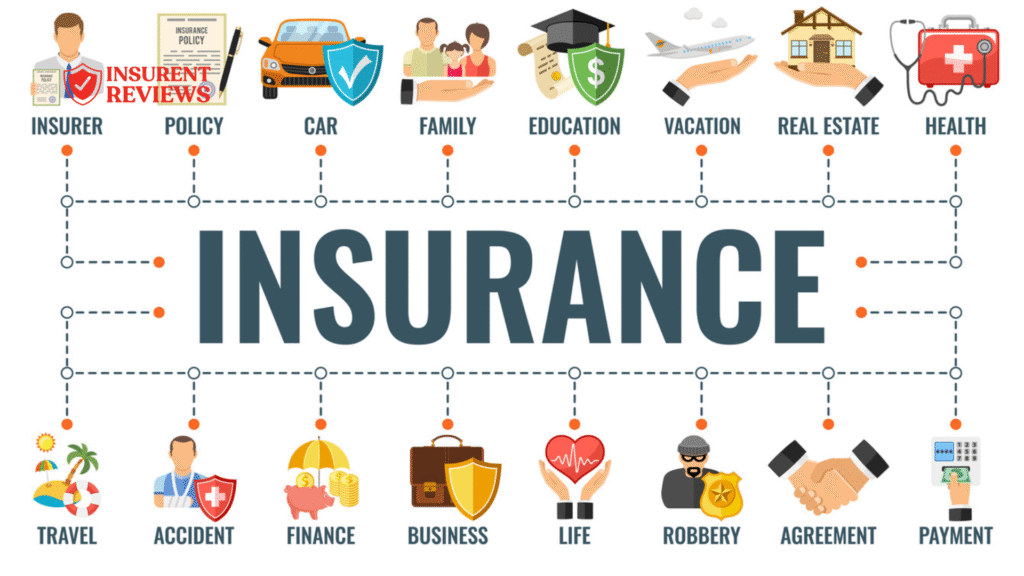
Types of Insurance: A Complete Guide to Different Insurance Policies in 2025 In today’s unpredictable world, one of the smartest decisions you can make is securing your future with insurance. Whether it’s protecting your health, your car, your home, or your loved ones, insurance acts as a safety net when life throws unexpected challenges your way. If you live in Ohio State, USA, you already know how essential it is to have the right coverage in place. From icy roads causing car accidents to rising healthcare costs, insurance ensures you don’t face financial stress during difficult times. This guide will walk you through the different types of insurance, how they work, and which policies you should consider in 2025. By the end, you’ll know the best types of insurance to have and how to choose wisely. What is Insurance? At its core, insurance is a contract between you (the policyholder) and an insurance company. You pay a premium, and in return, the company promises to cover specific financial risks such as accidents, illnesses, or property damage. Insurance works on the principle of risk-sharing. Millions of people pay premiums, and the pooled money is used to compensate those who face covered losses. Benefits of Insurance: Financial protection against sudden losses. Peace of mind for you and your family. Helps cover medical bills, repairs, or emergencies. Essential for long-term financial planning. 💡 Related keyword use: What are the types of insurance? – Simply put, there are life, health, auto, home, travel, business, and several specialized coverage options. Major Types of Insurance 1. Life Insurance Life insurance ensures that your loved ones are financially secure even if something happens to you. It is one of the most common types of insurance people consider for family protection. Sub-Types of Life Insurance Policies: Term Life Insurance – Affordable, fixed-term coverage. Whole Life Insurance – Lifelong coverage with cash value benefits. Endowment Plans – Combines insurance with savings. Unit-Linked Insurance Plans (ULIPs) – Mix of insurance + investment. Child Education Plans – Secures your child’s future education costs. Retirement Plans – Provides a steady income post-retirement. 👉 Keyword: types of life insurance policies 2. Health Insurance Healthcare costs are rising every year, especially in the U.S. A single hospital stay in Ohio can cost thousands of dollars without insurance. Health insurance types help you manage these costs. Common Health Insurance Plans: Individual Health Insurance – For single individuals. Family Floater Plans – Covers the entire family under one plan. Critical Illness Insurance – Provides a lump sum for major diseases. Senior Citizen Plans – Tailored for elderly healthcare needs. 👉 Keyword: health insurance types 3. Automobile Insurance (Car & Bike Insurance) In Ohio, car insurance is mandatory. Driving without it can result in fines, license suspension, or worse. It protects against accidents, theft, and third-party liabilities. Types of Car Insurance: Third-Party Liability Insurance – Legally required, covers damages to others. Comprehensive Car Insurance – Covers your vehicle + third-party liability. Own-Damage Cover – Focuses on damages to your car only. 👉 Keyword: types of car insurance 4. Homeowners & Property Insurance Owning a home in Ohio is a big investment. Homeowners insurance safeguards your property against risks like fire, theft, and natural disasters. Sub-Types of Property Insurance: Home Structure Insurance – Covers the building itself. Home Content Insurance – Protects furniture, electronics, valuables. Fire Insurance – Protects against fire-related damages. 👉 Keyword: types of general insurance 5. Travel Insurance If you’re traveling abroad or even domestically, travel insurance is a must-have. It covers medical emergencies, flight cancellations, or lost luggage. Types of Travel Insurance: Domestic Travel Insurance – Covers trips within the U.S. International Travel Insurance – Essential for overseas travel. Student Travel Insurance – Protects students studying abroad. 👉 Keyword: travel insurance types 6. Business / Commercial Insurance For entrepreneurs in Ohio, business insurance is critical. It protects companies from lawsuits, damages, or employee-related risks. Common Types of Business Insurance: Liability Insurance – Covers legal claims against the business. Professional Indemnity Insurance – For professionals like doctors or lawyers. Commercial Property Insurance – Protects business assets and buildings. 👉 Keyword: common types of insurance Other Specialized Types of Insurance In addition to the main categories, here are some different types of insurance coverage that are growing in popularity: Pet Insurance – Covers vet bills for pets. Disability Insurance – Provides income if you can’t work due to illness/injury. Marine Insurance – Protects cargo and shipping. Crop Insurance – Supports farmers against crop loss. Cyber Insurance – Protects businesses from online threats. How to Choose the Best Types of Insurance to Have With so many options, how do you know which ones are necessary? Key Factors to Consider: Income level – Don’t overspend on premiums. Family needs – Life and health coverage are non-negotiable. Lifestyle – Frequent travelers may need travel insurance. Location – In Ohio, weather risks may make homeowners’ insurance essential. Must-Have Insurance in 2025: Life Insurance – Protects your family. Health Insurance – Shields against rising medical costs. Car Insurance – Mandatory in Ohio. Homeowners Insurance – Protects your property. 👉 Keyword: best types of insurance to have Conclusion Understanding the types of insurance available in 2025 helps you make informed financial decisions. From life insurance policies to car, health, and travel coverage, each plays a crucial role in protecting you and your family. Before purchasing, always compare plans, read the fine print, and consult licensed professionals. The right insurance ensures peace of mind and financial security for the future. 👉 Keyword: types of insurance coverage Frequently Asked Questions (FAQ) 1. What are the 4 main types of insurance?The four main types are life insurance, health insurance, car insurance, and homeowners insurance. 2. What is the most important type of insurance?Health insurance is considered the most essential, as medical costs are often the highest unexpected expense. 3. Which types of insurance are mandatory in Ohio?Car insurance is mandatory in Ohio. Health insurance may also be required depending on employment and federal/state laws.