
What Best Describes Home Health Care?
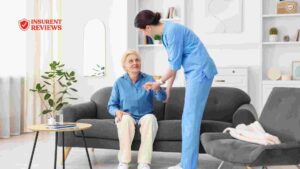
Home health care is a professional healthcare service delivered directly to a patient’s home, ensuring medical support, personal care, and emotional comfort without the need for prolonged hospital stays. It combines modern health care practices with the familiarity of home, making treatment more effective and less stressful for patients and families alike.
Unlike traditional hospital care, home health care focuses on individualized treatment plans tailored to the patient’s condition, lifestyle, and recovery goals. Hospitals are often crowded, expensive, and emotionally overwhelming, whereas home-based care allows patients to heal in a familiar environment surrounded by loved ones. This difference alone plays a major role in recovery speed and mental well-being.
In Bangladesh, home health care is gaining rapid attention due to an aging population, rising chronic diseases, and increased awareness of quality care. Families now prefer professional caregivers at home rather than frequent hospital visits, especially for elderly patients and long-term conditions. The growing demand for skilled nurses, physiotherapists, and trained caregivers reflects a shift toward more humane, accessible, and cost-effective health care solutions.
As health care systems evolve, home health care stands out as a reliable bridge between hospital treatment and independent living—offering dignity, safety, and professional medical support under one roof.
What is Home Health Care?
Home health care refers to medical and supportive health services provided at a patient’s residence. It is designed for individuals who require ongoing medical attention but do not need to remain hospitalized. These services may be temporary or long-term, depending on the patient’s medical condition.
Medical Care Provided at Home
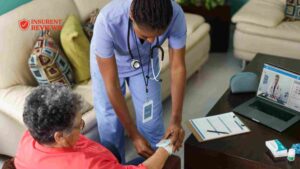
Medical home health care includes wound care, medication management, injections, IV therapy, vital sign monitoring, and post-surgical follow-ups. These services are supervised by licensed healthcare professionals, ensuring hospital-level care in a home setting.
Professional Nurses, Therapists, and Caregivers
Qualified nurses, physiotherapists, and trained caregivers form the backbone of home health care. Their expertise ensures patient safety, accurate treatment, and emotional support. Even home halthcare services for daily assistance are increasingly integrated with medical supervision for better outcomes.
Short-Term and Long-Term Care Options
Short-term care supports recovery after surgery or illness, while long-term care assists patients with chronic diseases, disabilities, or age-related conditions. Both models focus on comfort, independence, and continuity of care.
Types of Home Health Care Services in Bangladesh
Home health care services in Bangladesh now cover a wide range of medical and supportive needs, backed by growing healthcare initiatives.
1. Skilled Nursing Care
This includes professional nursing services such as medication administration, wound dressing, catheter care, and chronic disease monitoring. Skilled nurses ensure clinical accuracy and patient safety at home.
2. Physiotherapy at Home
Home-based physiotherapy helps patients recover mobility after injury, stroke, or surgery. Personalized exercise plans improve strength, balance, and independence.
3. Elderly Care Services
Elderly patients receive assistance with daily activities, medication reminders, mobility support, and companionship—ensuring dignity and quality of life.
4. Post-Surgery Care
After hospital discharge, patients need careful monitoring. Post-surgery home care reduces complications, readmissions, and recovery time.
5. Chronic Disease Management
Patients with diabetes, heart disease, or respiratory conditions benefit from regular monitoring, lifestyle guidance, and medication support.
For credibility, health initiatives by organizations such as BRAC and advanced clinical standards from Square Hospitals Ltd. have influenced the growth of quality home-based care models in Bangladesh.
Who Needs Home Health Care?
Home health care is suitable for individuals who require medical or supportive care but prefer staying at home.
Elderly Patients
Aging individuals often face mobility issues and chronic illnesses, making home care safer and more comfortable.
Stroke Recovery Patients
Stroke survivors need rehabilitation, therapy, and continuous monitoring—best delivered in a calm home environment.
Post-Hospital Discharge Patients
Patients recently discharged require follow-ups, medication management, and recovery support.
Disabled Individuals
People with physical or mental disabilities benefit from personalized care plans and daily assistance.
Terminally Ill Patients
Palliative home care focuses on comfort, pain management, and emotional support for patients and families.
Benefits of Home Health Care
Home health care offers both medical and emotional advantages.
Comfort of Home Environment
Patients recover better in familiar surroundings, reducing stress and anxiety.
Faster Recovery
Personalized attention and reduced exposure to hospital infections promote quicker healing.
Personalized Attention
One-to-one care ensures better monitoring and tailored treatment.
Cost-Effective Compared to Hospital Stays
Home care significantly reduces expenses related to accommodation and hospital resources.
Reduced Infection Risk
Lower exposure to hospital-acquired infections improves patient safety.
How Long Will Medicare Pay for Home Health Care?
This section targets international SEO traffic.
Medicare Coverage Basics in the United States
In the U.S., Medicare helps cover eligible home health care services under specific conditions.
Conditions for Coverage
Patients must be homebound and require skilled nursing or therapy services prescribed by a doctor.
Duration Limits
Coverage is typically short-term and reviewed periodically based on medical necessity.
Skilled Care Requirement
Medicare covers only medically necessary skilled services, not long-term personal care.
Important Clarification
Medicare does not apply in Bangladesh, but understanding it helps international readers and expatriates searching for this topic.
Home Health Care Cost in Bangladesh
Costs vary based on service type and duration.
Hourly Caregiver Cost: Caregivers typically charge BDT 150–300 per hour, depending on experience.
Monthly Packages: Monthly home care packages range from BDT 25,000–60,000.
Nurse Visit Charges: Professional nurse visits usually cost BDT 1,500–3,000 per visit.
Factors Affecting Price: Patient condition, care intensity, location, and duration all influence pricing.
How to Choose the Right Home Healthcare Provider
Choosing the right provider ensures safety and quality care.
Check License & Certification: Verify legal registration and staff qualifications.
Staff Experience: Experienced nurses and caregivers ensure reliable treatment.
Emergency Response System: A quick response system is essential for critical situations.
Reviews & Testimonials: Client feedback reflects service quality and trust.
Transparent Pricing: Clear pricing avoids hidden costs and builds confidence.
Difference Between Home Care and Home Health Care
| Home Care | Home Health Care |
|---|---|
| Non-medical assistance | Medical services |
| Personal care | Skilled nursing |
| Companionship | Therapy & treatment |
Challenges of Home Health Care in Bangladesh
Limited Trained Professionals: There is a shortage of highly trained caregivers.
Urban vs Rural Access: Rural areas face limited service availability.
Cost Barriers: Professional care may be unaffordable for some families.
Awareness Gap: Many families are still unaware of home health care benefits.
Future of Home Health Care in Bangladesh
Growing Elderly Population: Aging demographics will increase demand.
Increasing Chronic Diseases: Long-term disease management will rely more on home care.
Digital Health Monitoring: Remote monitoring devices will enhance patient safety.
Telemedicine Growth: Telehealth will support home care services, backed by global guidance from the World Health Organization.
1. How much does home health care cost in Bangladesh?
Home health care costs in Bangladesh vary depending on the type of service and level of medical care needed. On average:
-
Hourly caregiver: ৳150 – ৳400 BDT per hour
-
Daily caregiver (8–12 hours): ৳800 – ৳1,500 BDT
-
Monthly caregiver package: ৳18,000 – ৳35,000 BDT
-
Nurse visit: ৳800 – ৳2,500 BDT per visit
Factors that influence cost include patient condition, required skills (e.g., medical vs personal care), location (Dhaka services are often priced higher), and emergency support availability. More complex medical needs usually cost more.
2. Are home healthcare services available in Dhaka?
✅ Yes — home healthcare services are widely available in Dhaka, Bangladesh’s capital and most urban city. Because Dhaka has a larger population and more private health care providers, many companies focus on offering services such as:
-
Skilled nursing care
-
Physiotherapy at home
-
Elderly support and caregiver services
-
Post-surgery recovery care
-
Chronic disease management
Dhaka’s health providers typically offer flexible packages (hourly, daily, or monthly), both for short-term and long-term care.
3. How can I find reliable home health care in Bangladesh?
Here are smart steps to find trustworthy home health care:
✅ Check qualifications: Ensure nurses and caregivers are certified and experienced.
✅ Ask for references: Request testimonials or reviews from other patients/families.
✅ Compare pricing: Avoid providers with unclear or hidden fees.
✅ Emergency support: Choose services with 24/7 response options.
✅ Visit in person: If possible, meet the caregiver before hiring.
✅ Online reviews: Look for feedback on Google, Facebook, or local health forums.
You can also get recommendations from your family doctor, community health workers, or hospitals that refer home care services.
4. Is home health care affordable for middle-class families in Bangladesh?
✔️ Yes, it can be affordable for many middle-class families, especially compared to long hospital stays.
Because home health care avoids hospital room charges and reduces infection-related costs, the overall expenses may be lower — particularly for long-term needs like elderly support or chronic disease care.
However, frequent or highly specialized medical care (e.g., advanced nursing or therapy) may still be expensive for some families. Planning the level of care and comparing service packages helps make it more budget-friendly.
5. What are the best home healthcare providers in Bangladesh?
In Bangladesh, several companies and agencies offer reliable home health care services. Some reputable types of providers include:
-
Professional home health agencies with licensed nurses
-
Therapy-focused companies offering physiotherapy at home
-
Elderly care service providers
-
Hospital-affiliated home care divisions
Examples include established home care agencies. (If you want, I can list the top specific providers with contact details next.)
When choosing, prioritize those with clear pricing, trained staff, and good reviews from families.
6. Do Bangladeshi hospitals provide home health care services?
📌 Yes — some hospitals in Bangladesh offer home care services or referrals.
Major private hospitals often have programs to connect discharged patients with home care support, including:
-
Nurse visits after surgery
-
Physiotherapy
-
Palliative care
-
Chronic disease monitoring
Hospital-affiliated home care is useful because the transition from hospital to home remains medically supervised.
7. Can I hire a nurse at home in Bangladesh?
✅ Yes — you can hire a nurse to provide care at home.
Many home health care agencies in Dhaka and other major cities have registered nurses who can:
-
Administer medication and injections
-
Monitor vitals
-
Manage wounds and IV therapy
-
Support post-surgery recovery
You can hire nurses on an hourly, daily, or long-term basis depending on your needs.
Conclusion
Home health care is transforming the way families in Bangladesh approach health care—offering comfort, dignity, and professional medical support at home. With rising demand, technological advancements, and growing awareness, home health care is set to become a core part of the country’s healthcare future.
Your Visit  Website: Insurent Reviews
Read More Relevant Article: